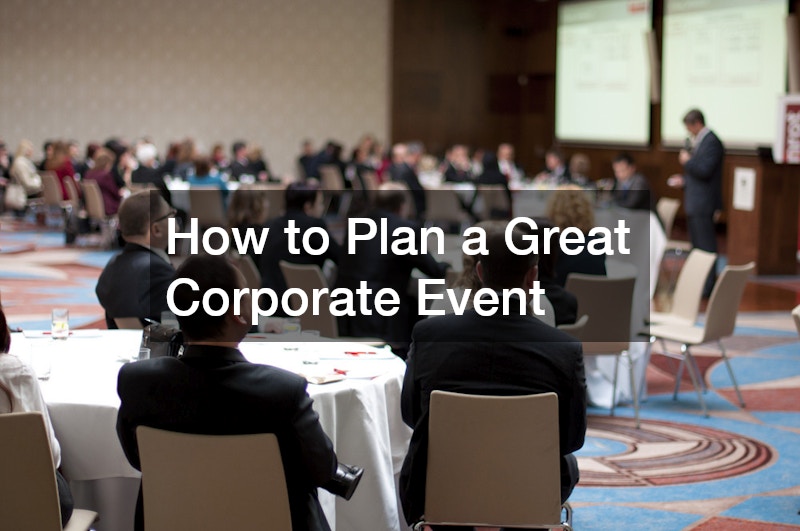
Planning a corporate event requires thoughtful preparation, clear communication, and a strong understanding of your organization’s goals. Whether you are hosting a conference, employee appreciation gathering, training workshop, or large-scale celebration, every detail matters when creating a memorable experience. Corporate events serve many purposes—from strengthening internal culture to building external partnerships—so defining your objectives and planning accordingly helps ensure your event delivers value. A great event blends logistics, creativity, and professionalism to create an environment where attendees feel engaged and appreciated.
Successful corporate events do not happen by accident. They require careful budgeting, strategic venue selection, strong vendor coordination, and a well-structured agenda. When each of these elements aligns, the event becomes more enjoyable for attendees and more beneficial for the organization. Taking time to plan effectively also reduces stress, prevents last-minute issues, and creates a smooth flow that reflects positively on your brand. By approaching the process with intention, you set the foundation for an event that is both impactful and seamlessly executed.
Defining the Purpose of Your Event

The first step in planning a great corporate event is identifying its core purpose. Your objective will determine the tone, structure, size, and overall direction of the event. Some events aim to educate or inspire, while others support networking, team-building, or product launches. Understanding your purpose helps you choose the right speakers, activities, agenda layout, and promotional messaging. Without a clearly defined goal, your event may feel unfocused or fail to deliver the outcomes your organization expects.
Purpose also influences branding and presentation, especially for organizations planning luxury brand events. High-end corporate gatherings require elevated visual themes, refined guest experiences, and premium-level coordination to match the brand’s identity. Aligning the event’s purpose with its style ensures consistent messaging and creates a cohesive, polished atmosphere. By clarifying your event’s mission early on, you establish the direction needed for every subsequent planning decision.
Establishing a Clear Budget
A well-defined budget is essential for managing an event efficiently and preventing unnecessary overspending. Begin by outlining all potential expenses, including venue rental, catering, entertainment, technology, marketing, and staffing. Once you understand your cost categories, you can allocate funds appropriately and determine where to invest more heavily to maximize value. A transparent budget also helps you evaluate vendor proposals realistically and negotiate services with confidence. Including a contingency fund prepares you for unexpected expenses without derailing the event.
For organizations hosting events with vendors, exhibitors, or live demonstrations, incorporating exhibitor insurance into your budget planning is crucial. This coverage protects your organization and participating partners from financial loss due to accidents, damages, or unforeseen incidents during the event. By planning for insurance needs early, you ensure compliance with venue requirements and safeguard your event from preventable risks. A solid budget—one that anticipates all major expenses—helps create a smooth planning process and a successful final outcome.
Choosing the Right Venue
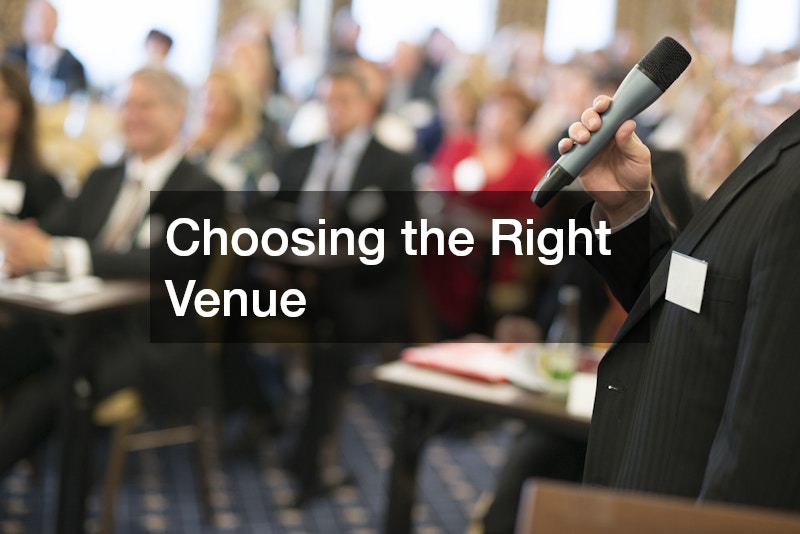
Selecting the right venue is one of the most influential decisions you will make when planning a corporate event. The venue affects the event’s atmosphere, accessibility, logistics, and overall guest experience. When evaluating options, consider factors such as capacity, location, parking availability, and whether the layout suits your planned activities. It is also important to assess lighting, acoustics, restrooms, and the availability of breakout rooms or networking areas if your event requires them. A well-chosen venue supports smooth traffic flow, encourages engagement, and reflects the level of professionalism you want to convey.
Another practical consideration is how easily the venue accommodates outside vendors, such as catering companies that may require prep space, electrical access, loading zones, or refrigeration areas. Confirming these details in advance prevents logistical complications on the day of the event. Some venues offer in-house catering or vendor partnerships, while others allow you to bring your preferred suppliers. Ensuring that the venue aligns with your catering and operational needs helps create a seamless and stress-free environment for guests and event staff alike.
Selecting an Appropriate Event Theme
An event theme sets the tone for the entire experience and ties together décor, messaging, attire, and even the style of programming. A well-chosen theme enhances engagement, reinforces your brand identity, and helps attendees connect more meaningfully with the event’s purpose. Themes can range from formal and elegant to casual and playful, depending on the audience and objectives. When selecting a theme, consider your company culture, the goals of the event, and the expectations of your attendees. A thoughtfully curated theme provides a cohesive aesthetic and helps guide decisions regarding signage, décor, color schemes, and lighting.
Themes are particularly helpful when coordinating meal service, especially when working with a corporate catering service. The style of cuisine, presentation, and menu design can be tailored to complement the event’s theme—whether it is upscale and modern, globally inspired, seasonal, or interactive. For example, a technology-focused event may incorporate sleek, minimalist food displays, while a community-focused event might feature comfort foods or locally sourced items. An aligned theme ensures that every part of the event feels intentional and professionally executed.
Coordinating Catering and Refreshments
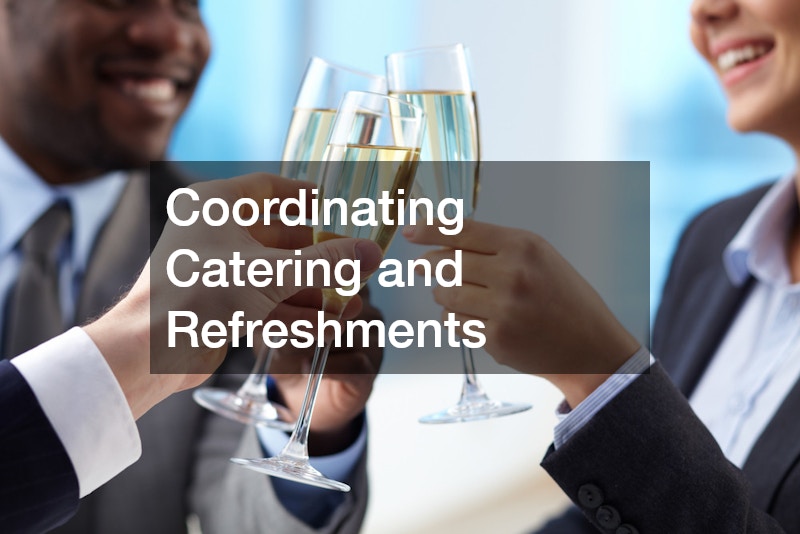
Food and refreshments play a significant role in shaping the attendee experience, influencing how people feel throughout the event. When planning catering, consider the duration of the event, the time of day, and the dietary needs of your guests. High-quality catering services can elevate the experience by offering delicious, thoughtfully presented food that complements the tone of the occasion. Many events benefit from multiple food options, including buffets, plated meals, cocktail stations, or grab-and-go selections depending on the schedule. Providing refreshments during breaks also helps attendees stay energized and engaged.
Coordination becomes even smoother when working with catering services that understand corporate environments and can adapt their offerings to suit tight timelines or large groups. These providers often offer customizable menu packages, beverage services, and staff to assist with setup and cleanup. Clear communication with your catering partner ensures that serving times align with the program schedule, preventing disruptions and maintaining a professional flow. Well-planned catering enhances hospitality, making the event enjoyable, memorable, and comfortable for all attendees.
Planning Engaging Activities and Entertainment
Activities and entertainment are essential to keeping attendees engaged, energized, and connected throughout your corporate event. Whether your goal is team-building, education, or celebration, incorporating interactive elements helps break up long presentations and encourages meaningful participation. Options may include keynote speakers, live demonstrations, panel discussions, workshops, networking sessions, or team challenges. Entertainment, such as live music or performances, can enhance the atmosphere and make the event more memorable. Choosing activities that align with your event’s purpose ensures the experience feels cohesive and impactful.
Visual engagement is another important component, and many event planners collaborate with local sign printing companies to create branded signage, banners, sponsor displays, and interactive photo backdrops. These graphics help attendees navigate the space, reinforce your message, and elevate the professionalism of the event. High-quality signage also contributes to brand visibility, making the experience feel polished and well-organized. Thoughtfully planned activities combined with cohesive visual presentation create a dynamic and immersive environment that keeps attendees excited and involved from start to finish.
Organizing Schedules and Logistics
A well-organized schedule is the backbone of a successful corporate event. Clear timelines ensure that speakers stay on track, catering is served at appropriate times, and attendees always know where to be. When planning your schedule, account for setup and teardown times, audio and visual checks, transitions between sessions, and designated breaks. Building buffer time into your agenda allows for flexibility if certain sessions run long or require unexpected adjustments. A well-structured schedule creates a smoother flow and helps prevent confusion or delays that could undermine the event’s professionalism.
Because event logistics tie directly to branding and perception, many companies work with a branding agency to ensure that the event schedule, printed materials, digital displays, and directional signage all reflect consistent messaging. These elements help attendees feel informed and supported while also reinforcing the event’s overall theme and purpose. Whether managed through printed agendas or mobile event apps, an organized schedule supported by cohesive branding enhances clarity, efficiency, and attendee satisfaction.
Preparing Technology and Presentation Needs
Today’s corporate events rely heavily on technology, making it essential to prepare audio-visual equipment, presentation tools, and communication systems well in advance. This includes microphones, projectors, LED screens, lighting setups, Wi-Fi access, sound systems, and backup devices. Technical failures can derail even the most carefully planned event, so conducting thorough equipment tests and scheduling time for rehearsals is crucial. Ensuring that presenters are comfortable with the technology also reduces delays and helps maintain a polished, professional event flow.
Many organizations partner with a marketing agency to design digital presentations, branded visuals, video content, and promotional materials that elevate the event’s visual impact. These assets support keynote sessions, reinforce brand messaging, and create a cohesive attendee experience. A skilled marketing team can also assist with event livestreams or hybrid event setups, ensuring seamless engagement for remote participants. By preparing technology thoughtfully and integrating branded visuals, you create an event that feels modern, engaging, and executed with precision.
Communicating with Attendees Effectively
Clear communication before, during, and after your event is essential for ensuring a smooth and positive experience for attendees. Effective communication begins well before the event date and includes sending invitations, confirmations, schedules, parking details, dress codes, and any necessary instructions. Providing this information early helps attendees prepare and reduces confusion or last-minute questions. During the event, communication tools such as printed programs, mobile apps, on-site signage, and announcements help guide people through each part of the schedule. Strong communication keeps attendees confident, informed, and engaged.
Corporate events often include networking opportunities or recruitment components, which is why some organizations coordinate with talent acquisition companies to help facilitate professional introductions or structured networking activities. These partners can help identify high-value attendees, coordinate breakout sessions, or guide professional matchmaking. Effective communication ensures these elements run smoothly and supports meaningful interactions among participants. When communication is consistent and thoughtful, attendees feel more connected to the event’s purpose and more satisfied with the overall experience.
Evaluating Event Success and Feedback
Once the event concludes, evaluating its success is a key step in refining future corporate events. Gathering feedback from attendees, staff, and vendors helps you understand what worked well and what could be improved. This can be done through surveys, follow-up emails, or informal conversations. Reviewing metrics such as attendance levels, engagement rates, budget accuracy, and logistical efficiency provides valuable insights. Evaluating these elements allows you to identify opportunities for growth and ensures that each subsequent event becomes more effective and enjoyable.
Food-related feedback is especially important for events that include substantial dining experiences. Many planners incorporate the best business lunch options into the menu to appeal to diverse tastes and maintain a professional atmosphere. Understanding how attendees perceived the meal, service quality, and presentation can guide future catering decisions and enhance the hospitality element of your events. Evaluating every aspect of the event—from catering to programming—ensures continuous improvement and strengthens your organization’s event planning strategy.
Planning a successful corporate event requires a combination of vision, strategy, attention to detail, and strong communication. Each step—from defining the purpose to selecting a venue, coordinating vendors, managing logistics, and preparing technology—contributes to an experience that feels polished, engaging, and beneficial for attendees. When these components are thoughtfully aligned, the event not only supports your organization’s goals but also enhances its reputation. Careful planning also ensures that emergencies or last-minute disruptions are handled smoothly, helping both organizers and attendees feel confident throughout the process.
A great corporate event is shaped by how well you anticipate the needs of your guests and how effectively you coordinate the many moving parts involved. Engaging activities, consistent branding, clear communication, and professional presentation all help create an atmosphere where attendees feel valued. Strong planning also makes the event more enjoyable for organizers, as clear structures and reliable partnerships reduce stress and keep the project on track. When each element is executed with intention, the result is a cohesive and memorable event.
Finally, evaluating your event after it concludes ensures that your planning process continues to evolve. Gathering feedback and reviewing performance allows your team to identify strengths, adjust weaknesses, and innovate for the future. Corporate events—whether small team gatherings or large conferences—play an important role in strengthening relationships, sharing knowledge, and promoting organizational goals. With structured planning, thoughtful execution, and continuous improvement, your corporate events can consistently make a meaningful impact and leave lasting impressions on every attendee.